THIS MONTH IN THE KOREAN ADOPTEE COMMUNITY - September 2026
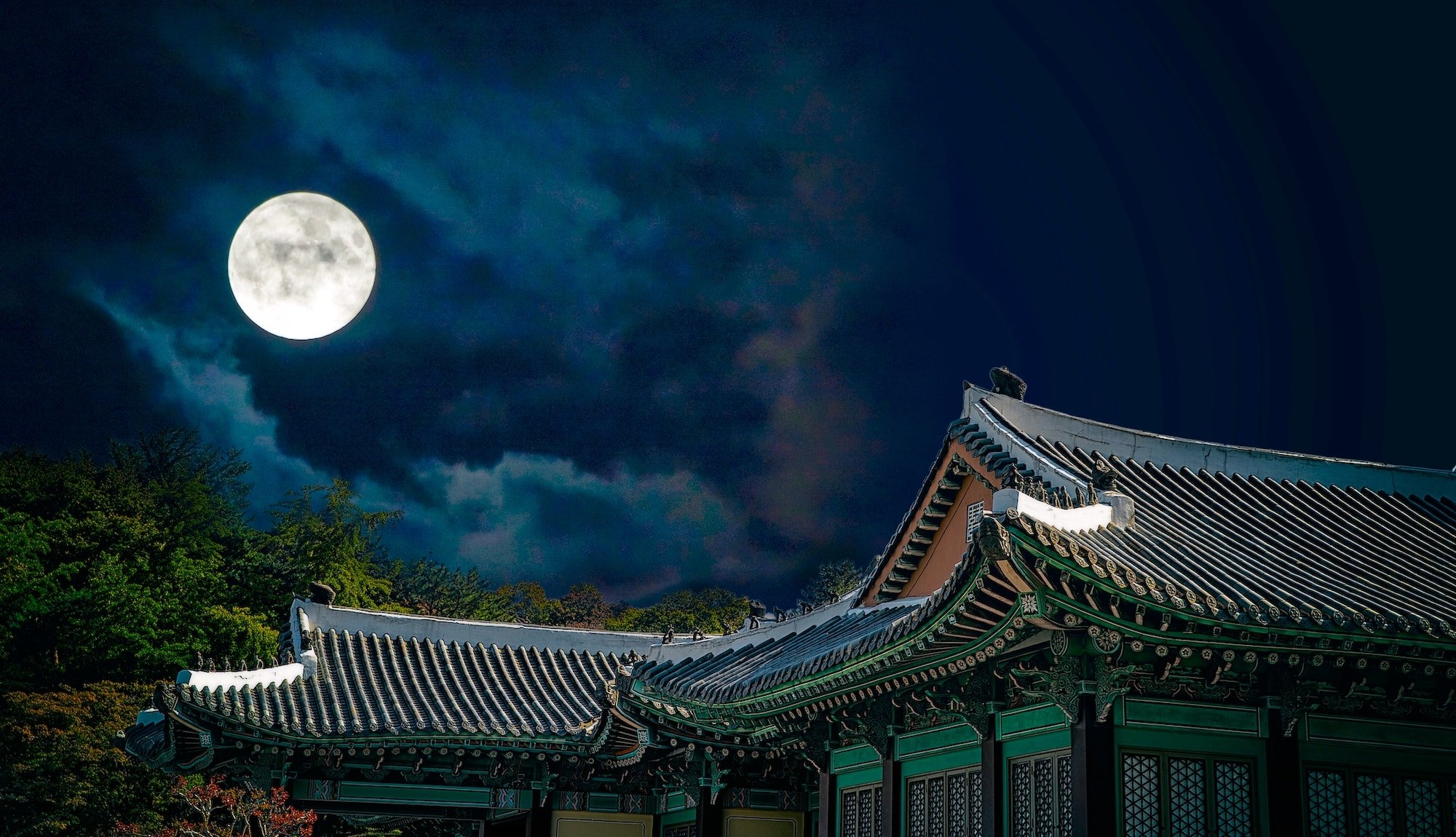
Chuseok Full Moon.
By Jon Oaks
What Chuseok Means to Me as an Adoptee
Last month, I wrote about the complicated feelings Korean Independence Day brings up for me because of my biological history. This month, as Chuseok approaches, I find myself thinking about another part of my identity instead: my adoptive history.
I recently came across a 2009 Korea Times opinion piece titled “Don’t Say Chuseok Is Korean Thanksgiving.” The article discusses the common practice of explaining Chuseok to foreigners by calling it “Korean Thanksgiving.” While the author questions whether that comparison oversimplifies the holiday, the article also acknowledges that it can provide a useful starting point for someone who knows little about Chuseok. As I read it, I found myself relating more to the foreigner in that discussion than I expected.
The Origins of Chuseok
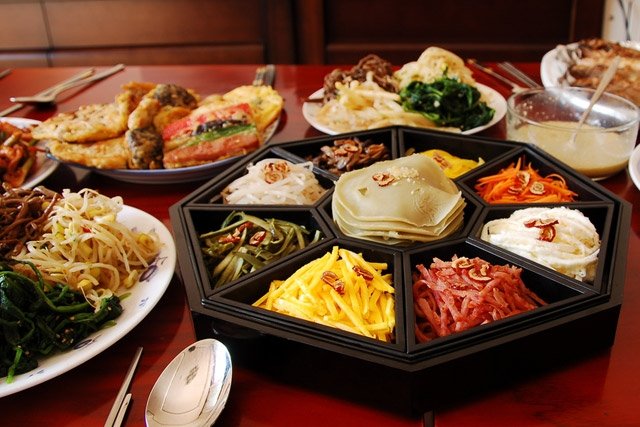
Chuseok food!
For adoptees who were not raised with these traditions, Chuseok (추석) can feel unfamiliar even though it is part of our Korean heritage. That is one reason I understand the usefulness of calling it “Korean Thanksgiving.” The comparison is incomplete, but for someone raised in the United States, the idea of a fall holiday centered around family, food, and gratitude can provide a familiar point of reference.
Chuseok is one of Korea’s most important traditional holidays and is celebrated on the 15th day of the eighth month of the lunar calendar. Its exact origins are uncertain. One popular story traces the holiday to a weaving competition during the Silla Kingdom, an ancient Korean kingdom that existed for nearly a thousand years. According to the story, the competition ended under the full moon with the losing team preparing a feast for the winners. Other scholars have connected Chuseok to much older harvest and full-moon traditions.
Today, Chuseok is centered around family, gratitude, and honoring ancestors. A traditional food closely associated with the holiday is songpyeon (송편), small half-moon-shaped rice cakes that are often filled with sesame seeds, beans, or chestnuts and steamed over pine needles. Families may also observe charye (차례), an ancestral memorial ritual, or seongmyo (성묘), the practice of visiting and tending ancestral graves.
Some of the traditions that make Chuseok meaningful can also make it complicated for adoptees. Returning to a family hometown and honoring ancestors can take on a very different meaning when those family connections were interrupted by adoption. When I hear about Koreans visiting ancestral graves during Chuseok, I cannot help wondering about the ancestors I was never given the opportunity to know.
Chuseok and Adoptee Identity
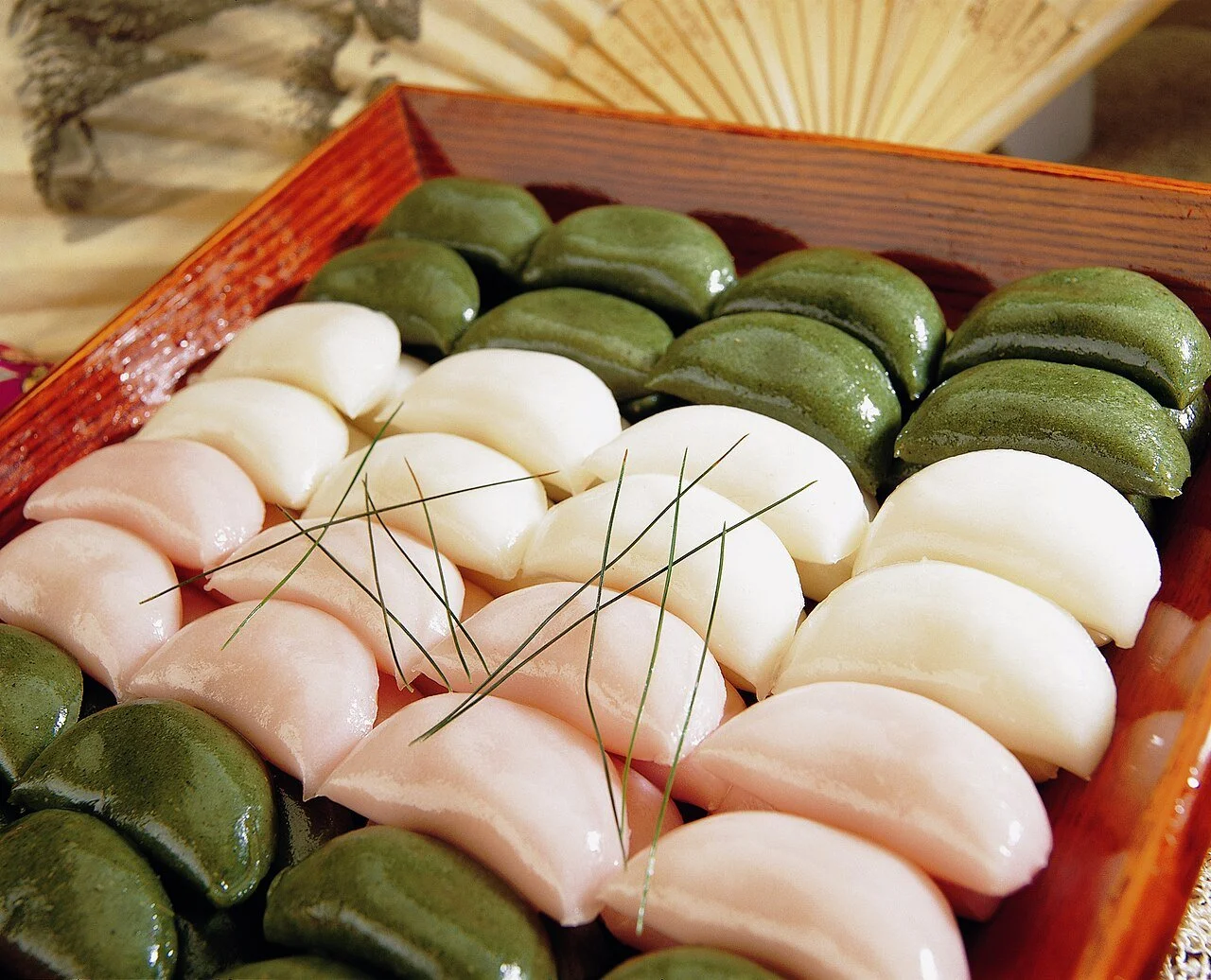
Songpyeon is special rice cake served during Chuseok holiday.
The Korea Times article also briefly contrasts Chuseok with American Thanksgiving by mentioning the role of colonization in the history of Thanksgiving. The author does not develop that idea much further, but it struck a chord with me and raises an interesting question for adoptees who grew up in the United States.
As an adoptee, I was brought to the United States without any say in where I would grow up or which culture would shape my childhood. I recognize the harm that colonization caused Indigenous peoples and the lasting effects that history continues to have today. At the same time, I do not feel personally responsible for that history simply because I grew up in the United States, particularly when adoption also separated me from much of my own cultural history. Other adoptees may have very different reactions, but I think it is worth considering how adoption can shape our relationship with both American and Korean traditions.
For adoptees raised outside Korea, connections to Korean culture often become something we seek out later in life rather than something we learned naturally while growing up. At the same time, there can be an assumption that we already understand Korean traditions simply because we are Korean. That is part of why the “Korean Thanksgiving” comparison works for me. It gives me a familiar reference point while still leaving room to learn more.
Connecting With Community
For adoptees who want to learn more about Chuseok, community events can provide a welcoming way to experience Korean culture without already knowing every tradition. They can also create opportunities to learn alongside others and build connections that may not have been available to us in the past.
The following are just a few upcoming opportunities to connect with Korean adoptees, Korean culture, and the broader community.
Calendar of Events
September 19 – Puri Nori (뿌리놀이), a new Korean American community drumming group, will host its first gathering at Hana Center in Chicago, Illinois. Participants can learn and play Korean drumming while connecting with others; no prior drumming experience or Korean language ability is required.
September 24 – Adoptee Korean American Services & Family (AKASF) will host a virtual sneak peek of Relative Strangers, Deann Borshay Liem’s documentary about mixed-race adopted Koreans searching for their original families. The event will include work-in-progress footage and stories from participants featured in the film.
September 26 – Korean Center, Inc. (KCI) will host the 8th Annual Bay Area Chuseok Festival at the Presidio Main Parade Lawn in San Francisco, California. The free festival will celebrate Korea’s harvest holiday with cultural performances, traditional games, food, vendors, and family-friendly activities.
September 26 – Korean Adoptees of Chicago (KATCH) will host its annual Chuseok Celebration at Haibayo in Chicago, Illinois. Adoptees, friends, and family are invited to enjoy Korean food, cultural activities, and time together in celebration of the mid-autumn festival. Registration is required by September 19.
September 26 – Woori Center (PA) will host its September Chingu Club, an AAPI-centered gathering focused on how representation, the Census, redistricting, and voting shape local communities. The event will offer an informal space for conversation, questions, and connection.
September 27 – The SeAH Korean Art Song Gala will take place at Hill Auditorium in Ann Arbor, Michigan, featuring Grammy Award-winning soprano Sumi Jo alongside University of Michigan student performers. The concert will celebrate Korean musical heritage through Korean art song. Tickets are $11–$25, including fees.
October 3 – Korean Culture Center of NYC (KCCNYC) will host a booth at Korea Fest by KAAGNY to celebrate Chuseok with NYC community.
October 10 – Korean Adoptees of Chicago (KATCH) will partner with the Chicago Fire for an AAPI Heritage Ticket Pack at Soldier Field in Chicago, Illinois. Discounted tickets include a limited-edition AAPI jersey, and $5 from each ticket sold will be donated back to KATCH.
October 17 – Friends of Korea, Korean Connection, and the Consulate General of the Republic of Korea in Chicago will host a Korean cultural event at the KROC Center in Grand Rapids, Michigan. The afternoon will include networking, live performances, presentations on Korean culture and Korean War veterans, and activities celebrating Hanbok Day.
What Chuseok Means to Me Now
The more I learn about Chuseok, the more I understand why calling it “Korean Thanksgiving” is useful, but also incomplete. It has given me a familiar reference point while also encouraging me to look more closely at what makes the holiday distinctly Korean and why some of its traditions can carry different meanings for adoptees.
For me, that may be the most valuable part of the comparison. “Korean Thanksgiving” does not have to explain everything about Chuseok to be helpful. It can simply be a starting point, especially for adoptees like me who were not given the opportunity to learn about the holiday growing up.
That is probably what stands out to me most about Chuseok now. It is a holiday that was always part of my Korean heritage, even though it was not part of my childhood. Learning about it as an adult gives me a way to better understand both the tradition itself and my own connection to it.