THIS MONTH IN THE KOREAN ADOPTEE COMMUNITY - April 2026
By Jon Oaks
A Question to Consider
April is Disability Awareness Month, and it’s a good time to pause and ask a question that doesn’t come up often enough in adoptee spaces: who is not in the room, and why?
Disability, Access, and the Adoptee Experience
Disability is part of the adoptee community, even if it is not always visible or openly talked about. Some Korean adoptees were adopted with known medical needs or disabilities. Others grew up without access to full medical histories and are still piecing together information about their health. Some are navigating chronic illness, neurodivergence, or mental health challenges as adults, often without the kind of family context that many people rely on when trying to understand their own bodies. Within Korean and Korean-American contexts, disability can still carry stigma, and in many adoptive families it was not always openly discussed, which can leave adoptees navigating these experiences on their own.
Research has shown that adoptees, including international adoptees, may experience higher rates of certain mental health challenges and diagnoses, though these differences are generally understood to be connected to early life experiences, access to care, and identity-related factors rather than any inherent biological difference.
Access and Inclusion in Community Spaces
Accessibility in adoptee spaces is still a work in progress. Many events assume travel is easy, that everyone can sit through a full day of programming, or that participation looks the same for everyone. Even well-intentioned spaces can unintentionally exclude people. Offering virtual options, building in breaks, sharing materials in advance, or simply asking what people need are not complicated changes, but they matter.
There is also something worth acknowledging about resilience, but not in the usual way it gets framed. Adoptees are often described as resilient, and many are. But that word can sometimes gloss over the reality that people are managing a lot at once. Disability, identity, and belonging do not exist separately. They intersect in ways that shape how people move through the world, including how they connect with the adoptee community.
This month can be a chance to shift from awareness to attention. That might look like listening more closely to adoptees who are already speaking about disability, checking whether the spaces you are part of are truly accessible, and recognizing that not everyone experiences community in the same way. One place to start is by paying attention to the voices already doing this work.
Korean Adoptee Voices
There are Korean adoptees whose work touches on disability, mental health, and lived experience in ways that deepen these conversations. While not always framed explicitly through the lens of disability, their perspectives offer important insight into identity, trauma, and belonging.
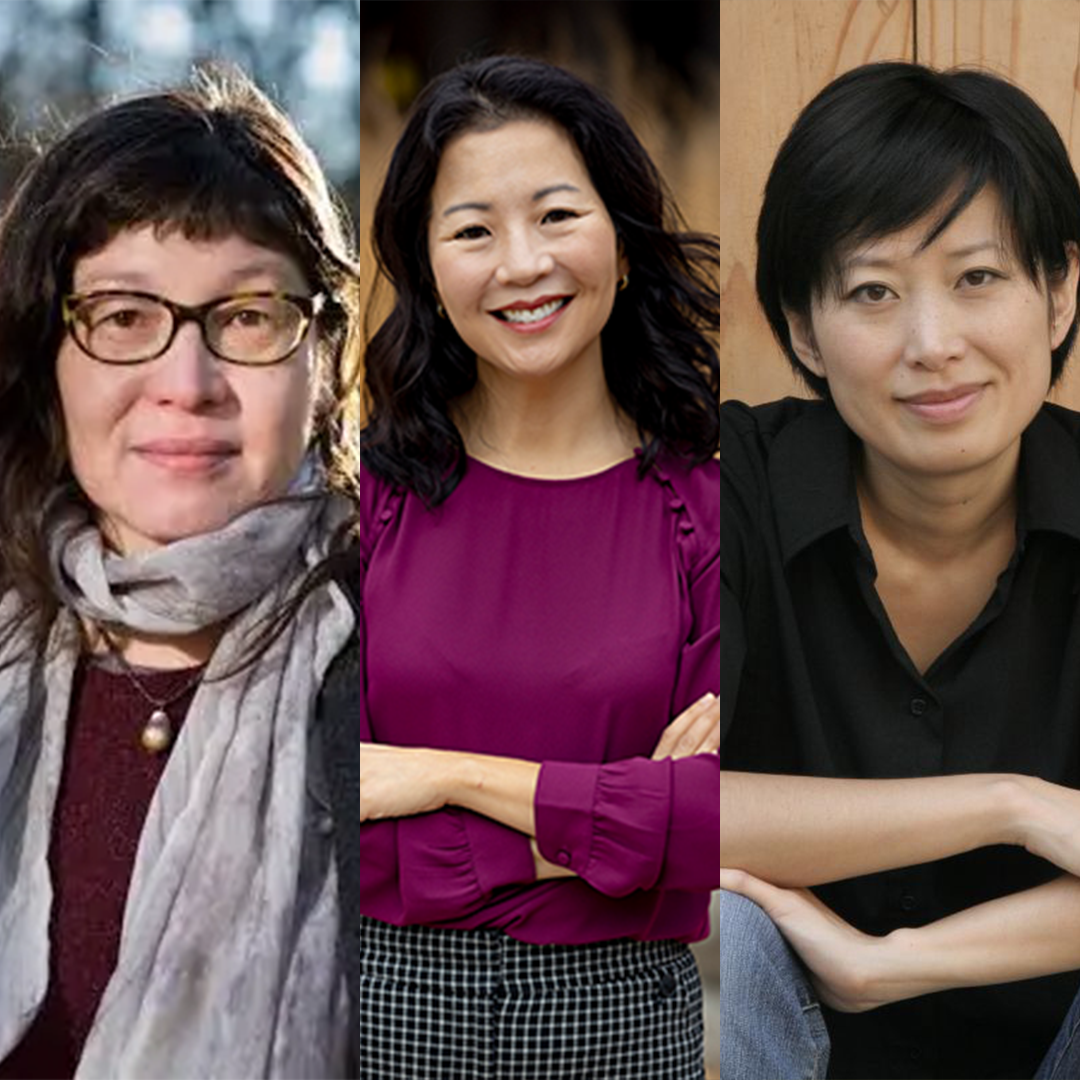
Alice Stephens (left), Sara Docan-Morgan (middle), Jane Neong Trenka (right)
Alice Stephens -Author of Famous Adopted People and co-founder of the Adoptee Literary Festival. Her work often engages with mental health, identity, and the layered experiences of adoptees.
Sara Docan-Morgan- Researcher and writer whose scholarship examines adoptee identity, communication, and lived experience, including mental health and belonging.
Jane Jeong Trenka -Author of The Language of Blood. Her writing and advocacy explore adoptee identity, trauma, and belonging, often intersecting with conversations around mental health.
Many Korean adoptees with disabilities or chronic conditions also share their experiences through blogs, social media, and small community spaces rather than formal organizations. These voices are often more immediate and personal, and seeking them out can offer a deeper and more current understanding of how disability is being lived and discussed within the community.
Events & Resources
Here are a few organizations, events, and spaces to explore this month and next. This is not a comprehensive list, but a starting point. Offerings and accessibility can vary, so it is worth checking details in advance.
• Sang-Yong Nam Memorial Lecture (April 8, 2026, 4:45 PM – Ann Arbor, MI)Hosted by the Nam Center for Korean Studies at the University of Michigan, this year’s lecture, “Elder Sang-Yong Nam & Korea’s True Miracle,” will be delivered by Meredith Woo.
• NYC Mayor’s Office for People with Disabilities (MOPD) – Community Forums (April 14 & 28, 2026)A citywide forum inviting the disability community to help shape policy and future programming in NYC. Reservations available here.
• Also-Known-As, Inc. – 30th Anniversary Celebration (April 16–19, 2026 – NYC)A multi-day gathering bringing together Korean and international adoptees from across the country, with social events, storytelling, and community-building spaces. More information here.
• Korean Cinema Now! Film Screening: My Daughter is a Zombie (April 18, 2026, 1:00 PM – Ann Arbor, MI)Part of the Korean Cinema Now! series at the University of Michigan. A comic drama about a father protecting his daughter, who has become the last remaining zombie in the world. Schedule and information here.
• Saturday Chingu Club – Community Gathering (April 18, 2026 – Pennsylvania)Hosted by the Woori Center, this gathering focuses on connection and community-building, including a Hanji card-making activity to share voices with legislators. Information and reservation available here.
• Hunter College – Disability Awareness Month Summit (April 24, 2026 – NYC)A full-day event focused on disability inclusion, employment, and community connection. While not adoptee-specific, this event reflects broader conversations around access and inclusion that are especially relevant this month. More information here.
• KAtCH: Korean Adoptees of Chicago Spring Dinner and Social (April 25, 2026 – Chicago)A community gathering including dinner and a social hangout for adoptees. Reservations available here.
Looking Ahead
• Voices of Adoption (May 14, 2026 – Virtual)A facilitated discussion space for adult adoptees to connect and share experiences. Hosted by Spence-Chapin. More information and registration available here.
Closing Thoughts
Disability Awareness Month can be a reminder that community is not just about showing up, but about making sure people can stay, participate, and feel seen once they are there. For Korean adoptees, that can mean continuing to widen the definition of what community looks like, who it includes, and how it shows up.
As always, if there are stories, events, or perspectives you would like to share, feel free to reach out. This space continues to grow through the voices and experiences of the community itself.
%20(1).png)