BOOK CLUB REPORT - Dec 2025
KCCNYC Dosan Hakdang November Meeting - the dwarf
By Casey Eckersley & Sharon Stern
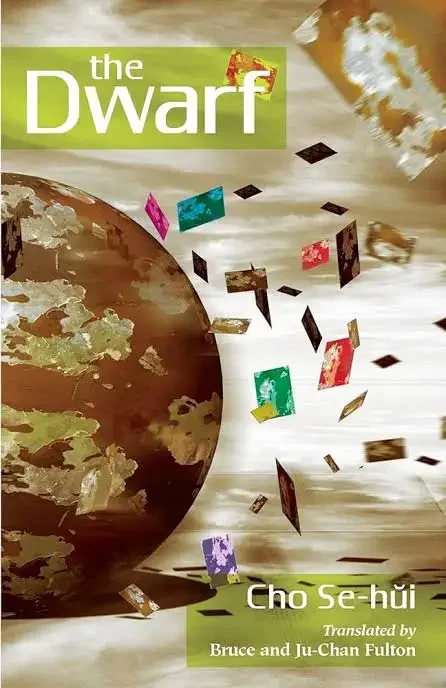
In November, we gathered to talk about classic Cho Se-hui novel The Dwarf. Written in 1978, The Dwarf is a work of social criticism that looks at the “dark side” of Korea’s economic miracle, sometimes referred to as the Miracle on the Han River. It reveals the human and environmental costs of rapid industrialization, especially on the economically disadvantaged. At the center is the story of the family of a dwarf, small in stature and social position. The novel also shows the brutal prejudice against physically divergent people in Korea.
We always start the book club discussion with everyone trying to find a single word to summarize the book. Words this month included raw, timeless, disparity, perspective. We spent different moments of time talking about how things have changed, both in Korea and the US, with regard to labor and environmental issues, and yet, how so many things are pretty much the same.
We felt like the book felt fruitless, in some ways at the end, and yet we weren’t left feeling hopeless. The fruitlessness comes from the fact that the world was not set up for everyone to succeed equally. It is the world itself that needs to change. It felt like a mirror we needed to reflect on and a call to action for injustices that are currently going on in our country. We saw how selfish people who can only see the world through their own wants and needs lead to a blindness of how others are suffering and how empathy is the key to change.
The fear of spies that was very prevalent in the 1970s came through. The female characters we thought were also very likeable and relatable, given when it was written.
If you weren’t able to join us for our discussion, we still encourage you to read this book that helps us understand this very important part of Korean history.
December DOSAN HAKDANG:
The Healing Season of Pottery by Yeon Somin
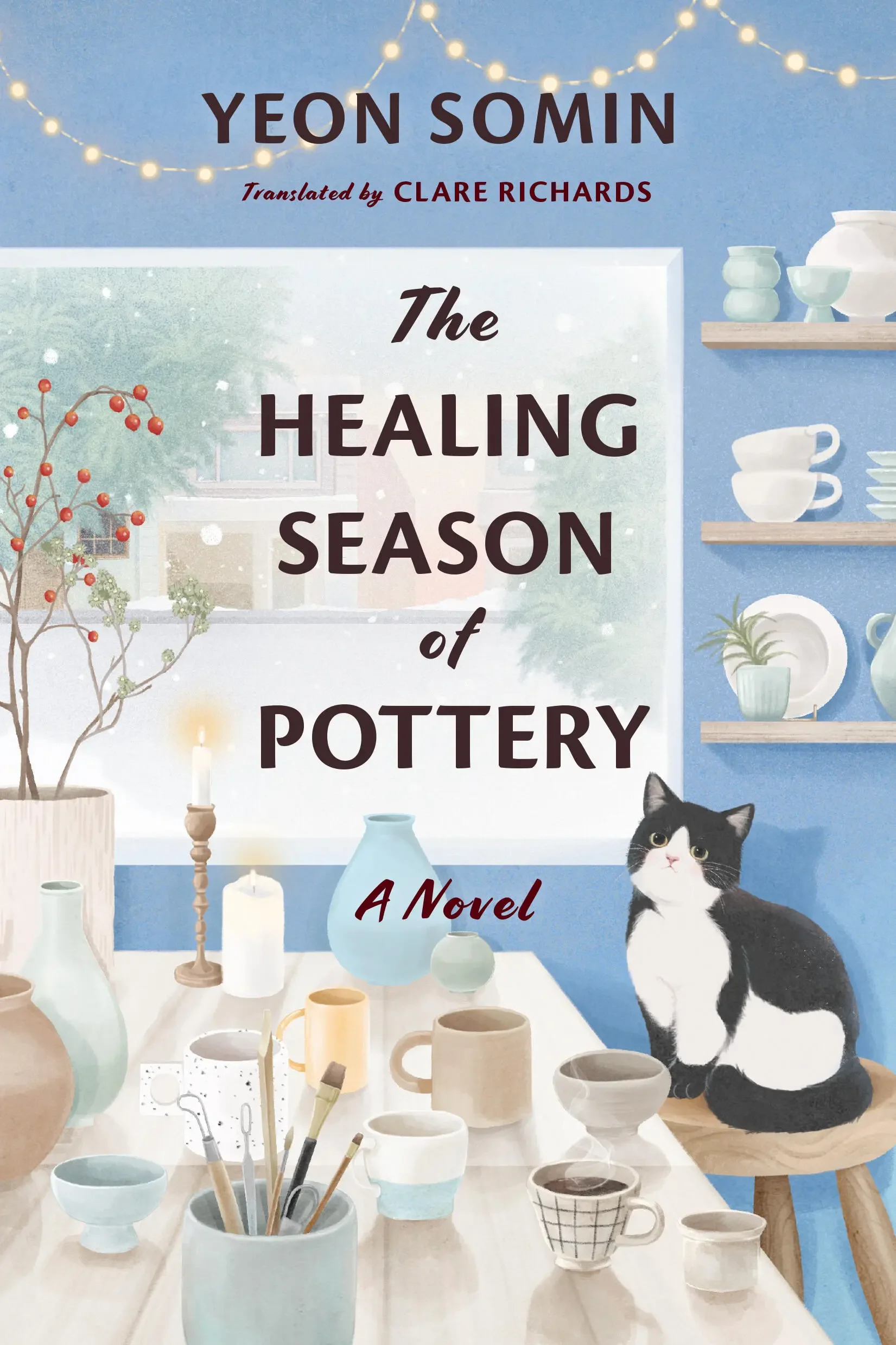
For the month of December, KCCNYC Dosan Hakdang will be reading The Healing Season of Pottery by Yeon Somin. The book tells the story of Jungmin, a woman who has a crisis at work and suddenly quits, hiding herself in her apartment, by herself, for quite a while. When she finally comes out of her apartment, she stumbles on a pottery studio in her neighborhood and is invited to come in by the pottery teacher.
She is taken by everything inside – the smell of the clay, the light coming in the windows, the resident cat, the coffee other students are drinking. The studio gives everyone a place to work through their issues through the clay on the wheel. Jungmin starts to awaken again, to feel inspired and to connect to a new community. Please join us in December for this feel-good story.
We’ll be meeting on December 28th at 2:00 pm EST. Feel free to share the book with family and friends you might be gathering with and have them join the discussion. To RSVP and let us know you are coming, sign up here.
YEAR END RECAP
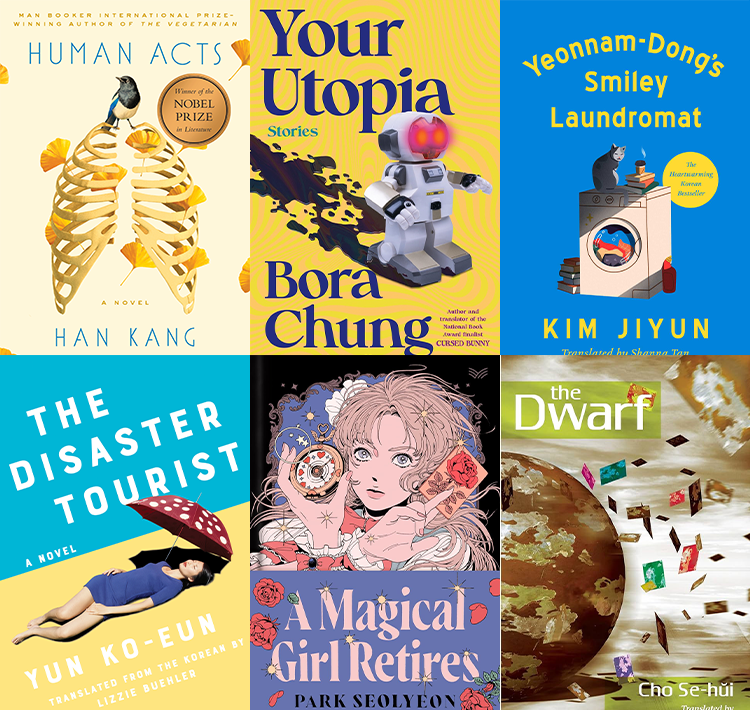
The Dosan Hakdang Book Club's year was a profound exploration of Korean literature, delving into a rich tapestry of historical trauma, speculative futures, and poignant social commentary. The monthly meetings provided a space for members to connect with stories deeply rooted in Korean history and culture, fostering discussions that were at once intellectually stimulating and emotionally resonant. Throughout the year, the club navigated a diverse literary landscape, from the haunting prose of Han Kang to the whimsical fantasy of Park Seolyeon.
The year began with a deep dive into Korea's turbulent past. In May, the club commemorated the May 18 Democratization Movement with Han Kang's Human Acts. This solemn read prompted a heavy but necessary discussion on grief, guilt, and the nature of humanity in the face of unspeakable violence. Later in the year, we celebrated the 80th anniversary of Korean independence by exploring a collection of resistance poetry. Members were moved by the powerful voices of poets who fought to preserve their identity under colonial rule, finding beauty and defiance in their words. These sessions underscored the enduring power of literature to bear witness to history and honor the resilience of the human spirit.
The club also ventured into imagined worlds that cast a critical eye on contemporary society. The June meeting was a particular highlight, featuring a visit from author Bora Chung to discuss her short story collection, Your Utopia. Her presence enriched the conversation, as members explored her surreal and dystopian tales, often relating them to the actual strangeness of the real world. In September, Yun Ko-Eun's The Disaster Tourist sparked a lively debate on the Korean Me Too movement and the moral complexities of modern tourism. Though opinions on the novel were varied, it successfully provoked thoughtful discussion on complicity and the absurdities of the modern condition.
A lighter turn was taken in October with Park Seolyeon's A Magical Girl Retires. This inventive novel was praised for its whimsy and creativity, providing a lighthearted escape while simultaneously prompting conversations about millennial anxiety and the desire to save the world. The book was a perfect example of how fantasy can be a powerful tool for exploring real-world concerns, allowing members to engage with complex themes through an imaginative and accessible lens. The discussion also highlighted the beauty of literary fiction in forcing readers to imagine and empathize with characters, a skill we hope will translate directly into the real world.
This year, the Dosan Hakdang Book Club journeyed through the heart of Korean literature, marked by deep engagement and intellectual curiosity. From the depths of historical sorrow to the imaginative heights of speculative fiction, each book fostered a unique and valuable conversation. Together we grappled with themes such as identity, resistance, and the individual's place in society, demonstrating the profound ability of stories to connect us to different cultures, histories, and, ultimately, to each other. We look forward to all of the conversations to come and hope you can join us in 2026!