THIS MONTH IN THE KOREAN ADOPTEE COMMUNITY - Jan 2026
By Jon Oaks
Korean-American Day, observed each year on January 13, is often framed as a celebration of arrival and contribution. In 2026, it also feels like something else: a moment to claim space. Not quietly. Not defensively. But deliberately.
Over the past year, many Korean Americans have felt the ground shift beneath familiar ideas of belonging. Language around identity has become sharper, more politicized, and less forgiving of nuance. For Korean-American adoptees in particular, this shift can land heavily. Identity was never something cleanly inherited. It has been assembled, questioned, defended, and redefined over time. In this moment, simply existing visibly as Korean-American can feel like an assertion rather than a given.
For adoptees, Korean-American Day rarely arrives as a simple celebration of heritage. It often highlights how identity can feel partial, unfinished, or shaped by circumstances beyond one’s control. What does it mean to claim “Korean-American” when belonging feels conditional? How do we hold pride when safety or acceptance may not always be guaranteed? Speaking about identity has itself become more complicated as language feels increasingly contested.
Claiming space does not require certainty. It requires presence.
Presence in Practice
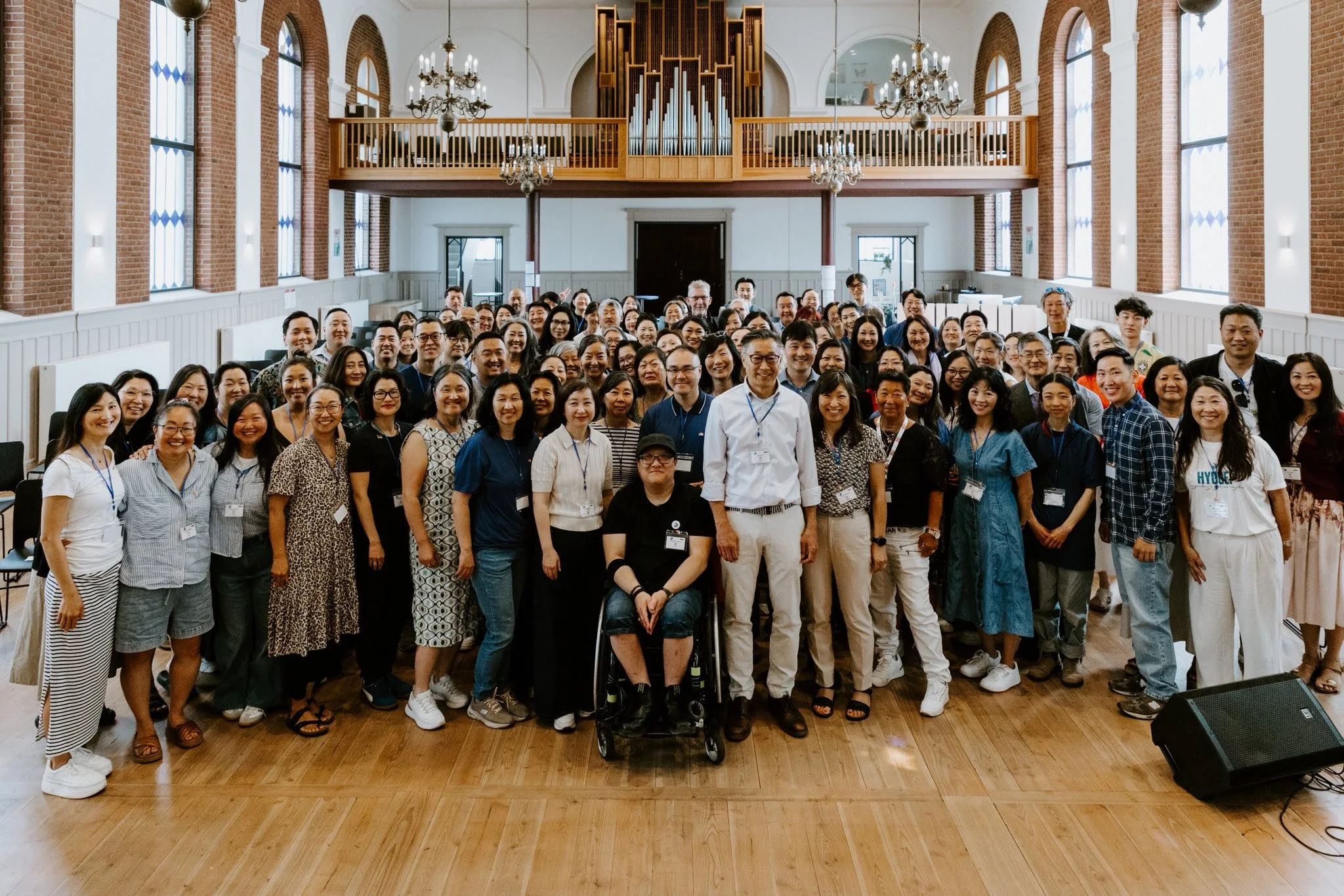
Korea Klubben 35th Anniversary & Gathering. Photo Credit IKAA website.
Presence takes many forms. It can be found in community gatherings and shared learning, in cultural exploration or creative practice, and in moments of reflection, grief, or sitting with uncomfortable truths.
The work of showing up does not end with reflection. Through shared experiences and time spent together, Korean-American adoptees have opportunities to show up for one another in tangible ways.
This summer, the annual KAAN Conference will take place June 19–21, 2026, in Denver, Colorado. The conference offers space for adoptees to connect, engage in difficult conversations, and build community around shared experiences.
In February, KAtCH: Korean Adoptees of Chicago will host a screening of K-Number on Sunday, February 15 from 2–5 pm at Northwestern University’s Evanston campus. The film follows international adoptees returning to Korea in search of their birth families and exposes long-standing structural issues within international adoption. A discussion with Director Jo will follow the screening.
Later in the year, the 2026 IKAA Gathering will be held in Seoul from October 19–24, bringing adoptees from around the world together for a week centered on connection, discovery, and shared experience.
Cultural engagement also remains an important point of entry. In February, Korean Center, Inc. in San Francisco will launch a new Korean Calligraphy class series offering participants a hands-on way to explore Hangul through brushwork, rhythm, and mindful creativity. No prior language or calligraphy experience is required.
In April, Also-Known-As, Inc. will mark its 30th Anniversary with a multi-day celebration in New York City from April 16–19, 2026. For many adoptees and families, this milestone represents decades of advocacy, support, and community-building.
These gatherings are not just events on a calendar. They are places where presence becomes practice.
Presence in Public Life
Community spaces matter because they give people room to find their footing. But presence does not stop at gathering or reflection alone. In moments like this, it also raises questions about who is visible, who is heard, and who is shaping the decisions that affect everyday life.
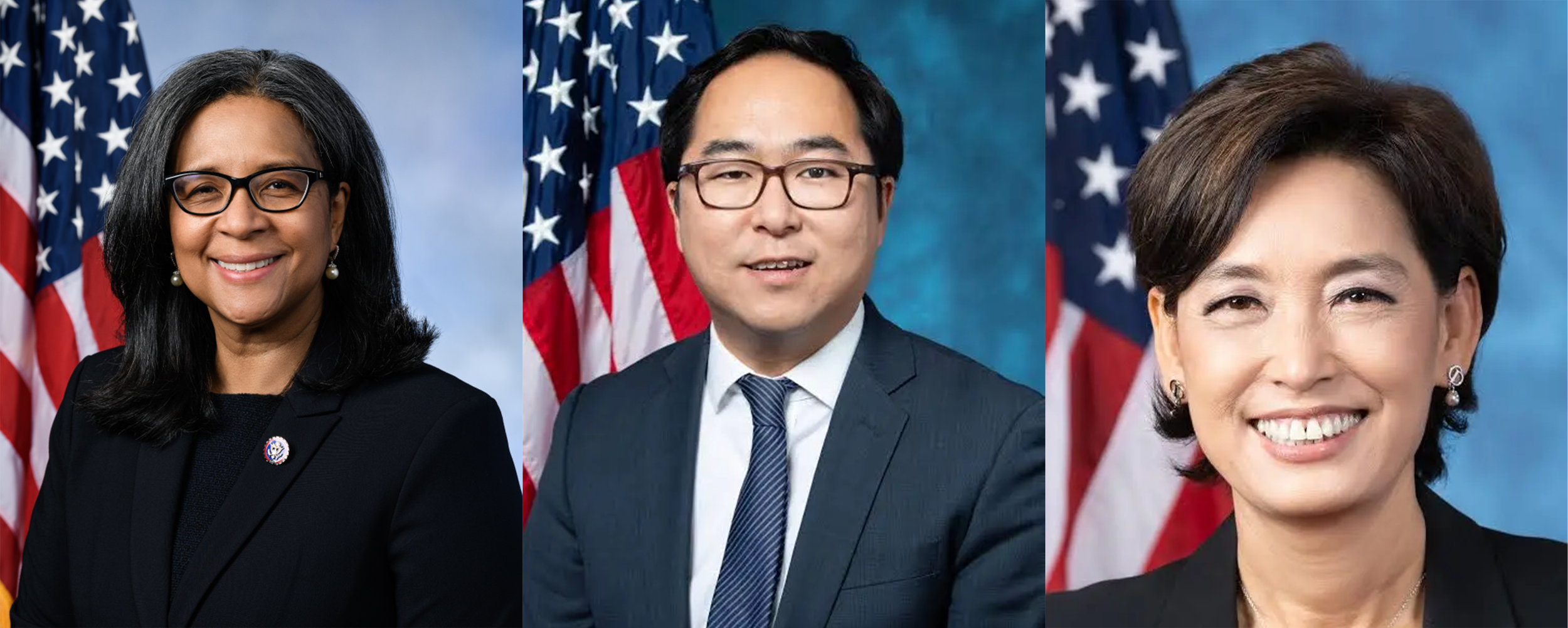
House of Representative Marilyn Strickland, Senator Andy Kim, and House of Representative Young Kim (from left to right).
And sometimes, it looks like representation stepping forward in public life.
In the past year, Korean-American visibility has continued to grow in civic leadership. Figures such as Andy Kim, the first Korean-American U.S. Senator, Young Kim, whose work spans domestic policy and U.S.–Korea relations, and Marilyn Strickland, a visible advocate for Asian American representation, serve as reminders that Korean Americans are not only part of this country’s cultural fabric, but its political future as well. Their paths, perspectives, and leadership styles differ, but together they signal something powerful: Korean-American identity belongs in decision-making spaces, even when those spaces are tense or contested.
For Korean-American adoptees, this kind of visibility can be encouraging. It shows that impact does not require a single origin story or a single way of belonging. Making a difference does not depend on having all the answers. It depends on choosing to engage.
Korean-American Day in 2026 is not just about honoring where we come from. It’s about recognizing where we stand. It’s about claiming the right to occupy space as Korean-Americans, adoptees included, even when the moment feels uncertain. That is precisely when it matters most.
As we mark this day, we are reminded that presence itself can be meaningful. Choosing to be seen, to connect, and to participate are all acts that matter.