THIS MONTH IN THE KOREAN ADOPTEE COMMUNITY - Dec 2025
LOOKING BACK, LOOKING FORWARD, AND REMEMBERING OUR HISTORY
By Jon Oaks
As the year winds down, the holiday season brings its familiar mix of comfort, reflection, and complexity. Last December we explored how this time of year can stir up a lot for adoptees, and that is still true in 2025. It can help to pause, take inventory of what supported you, and notice the spaces where you grew. December is often a time when people feel the pull of both presence and absence, especially when it comes to family, tradition, and the meaning of home.
This month also marks the end of a year filled with important adoptee accomplishments, gatherings, and milestones. Below is a short overview of what shaped the community in 2025, along with links if you would like to read more.
2025 Year in Review for the Korean Adoptee Community
MAJOR POLICY AND STRUCTURAL CHANGES IN KOREA
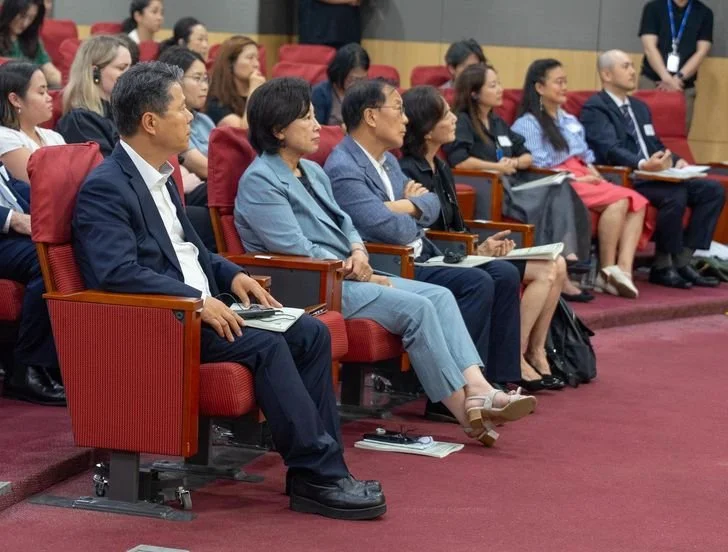
Lawmakers attend a conference on adoption at the National Assembly in Seoul, July 7. From left are Rep. Seo Young-seok, Rep. Nam In-soon and Rep. Yoon Hu-duk. Courtesy of Antonia Giordano
2025 was a significant year for adoptee rights and historical accountability in Korea. In March, the Truth and Reconciliation Commission (TRC) confirmed decades of fraud and rights violations in the overseas adoption program, including falsified documents and fabricated orphan status. South Korea also became a party to the Hague Adoption Convention on October 1, which is expected to strengthen oversight and ethical protections for future adoptions. As adoption files began transferring to the National Center for the Rights of the Child (NCRC) in July, concerns quickly grew over technical failures, incomplete records, and unsafe storage conditions at the Goyang facility. These issues spurred more than twenty international and domestic groups to form Emergency Action for Record Storage (EARS) and push for transparency and proper archival standards.
Further reading:
Adoptees raise alarm over NCRC's handling of records
South Korea committed rights violations during overseas adoptions, truth commission finds
U.S AND GLOBAL DEVELOPMENTS
In July 2025, U.S. reporting highlighted the reality that thousands of adoptees from Korea and other countries were never granted automatic citizenship, leaving many at risk of deportation or unable to access basic services. Immigration attorneys and community organizations renewed calls for passage of the Adoptee Citizenship Act.
Conferences in the adoptee community continued to grow. KAAN 2025 took place in Atlanta and AKASF’s Bay to LA held programming on identity, belonging, and creative expression. The 2025 Overseas Korean Adoptees Gathering (OKAG) in November further strengthened international networks.
Further reading:
Thousands of adoptees were never given US citizenship. Now they risk deportation
Korean American Adoptee Adoptive Family Network (KAAN)
ARTS, CULTURE AND PROFESSIONAL ACHIEVEMENTS
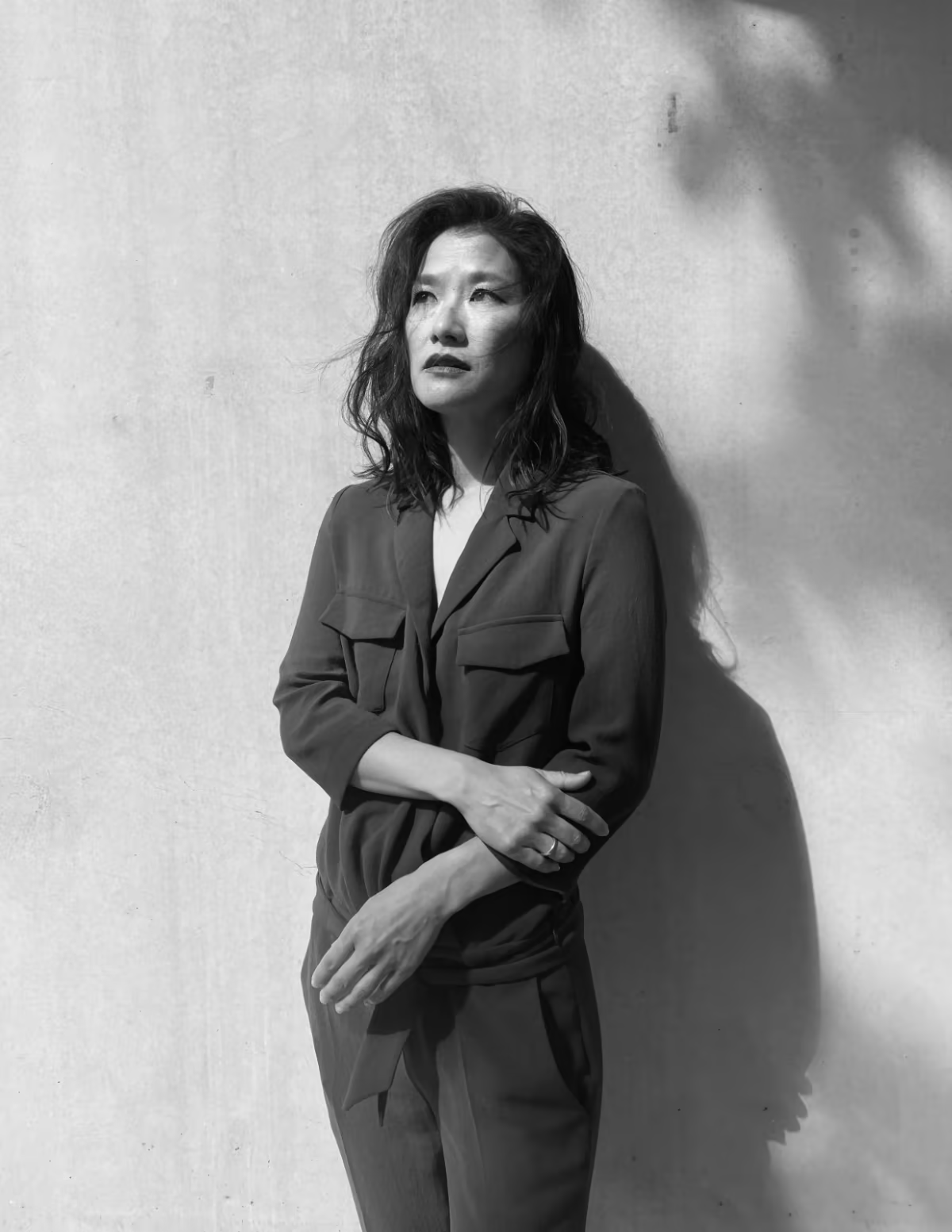
Mirae kh Rhee Photo Credit: Ibi Ibrahim
Mirae kh Rhee
Interdisciplinary artist Mirae kh Rhee presented two video works at the Seoul International ALT Cinema and Media Art Festival (NeMAF) in August 2025, including a newly commissioned piece titled Si j'avais quatre mères, which explores themes of family, identity, and fragmentation.
More information: https://www.nemaf.net
Amy Mihyang Ginther
Amy Mihyang Ginther continued her work as a voice coach and faculty member at UC Santa Cruz through her company Vocal Context, where she focuses on identity, embodiment, and self-expression for marginalized communities. Her workshops and stage work remained influential across adoptee, queer, and BIPOC spaces throughout 2025.
More information: https://www.vocalcontext.com
REMEMBERING OUR HISTORY: THE IMJIN WAR
Because December also marks an important moment in Korean history, this is a good time to revisit the Imjin War, which formally came to a close in late 1598. The war was a six-year conflict between Japan and Korea, involving massive destruction, displacement, and loss of cultural heritage. For many adoptees, Korean history can feel distant or overwhelming, especially if it was not part of your upbringing. Taking a clear, simple look at a chapter like the Imjin War can be grounding. Learning even a little about the forces that shaped the peninsula can help build a sense of cultural context that many adoptees come to later in life.
The Imjin War is remembered not only for the hardship it brought but also for the remarkable resilience shown by ordinary Koreans. Communities rebuilt villages, reconstructed temples and homes, and revived local cultural practices. This theme of rebuilding after upheaval may resonate with many adoptees who have worked to piece together identity, history, and community from fragments. Remembering such moments in history can create another way to feel connected to Korean heritage that is not dependent on having grown up with these stories.
Closing thoughts
As you move into the final weeks of the year, I hope you will take a moment to acknowledge what 2025 gave you. Maybe you began a birth search, joined a new adoptee space, learned more Korean language, connected with someone who understands your journey, or simply took better care of yourself in small but important ways. December is always a good time to show yourself a bit of grace, create traditions that feel like they belong to you, and lean into communities that remind you that you are not alone.
I’d like to wish you warmth, rest, and reflection as we step into 2026. If you have events, projects, or accomplishments you would like to share in future issues, feel free to reach out. I'm always glad to highlight the amazing work happening in the adoptee community.