THIS MONTH IN KOREAN HISTORY - Mar 2026
Women Leaders & March first movement
By Sharon Stern & Eun Byoul Oh
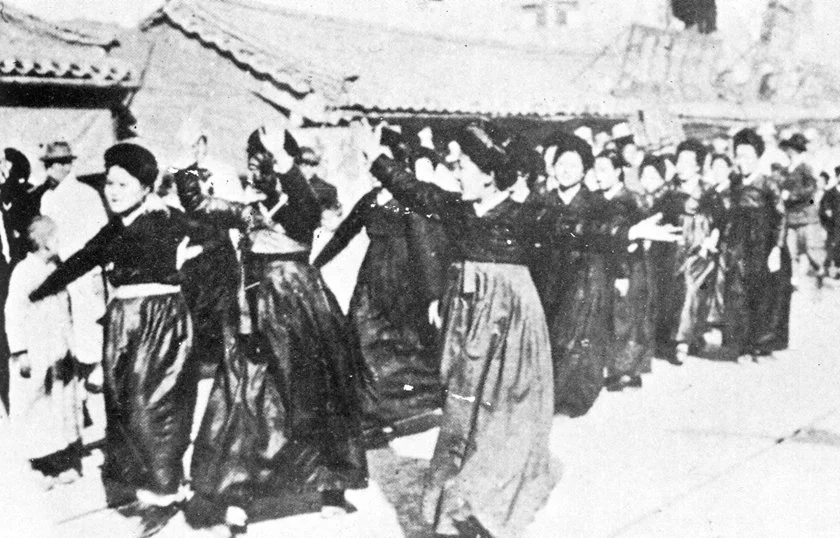
The March First Movement (also known as the Samil Movement – 삼일 – 3-1) started on March 1, 1919, lasted well into 1921, but was only the beginning of a much larger independence movement that lasted until the end of WWII and, actually, beyond into the 1980s.
Read last year’s article on March 1st Movement here.
Korea became a protectorate of the Empire of Japan through the Japan-Korea Treaty in 1905 and was fully annexed in 1910. Koreans wanted to live independently and had lived independently and relatively isolated for centuries. At the beginning of 1918 and before the end of WWI, Woodrow Wilson laid out a Fourteen Point Plan calling for an association of nations, but also stating that countries should have the right to self-determination. Koreans interpreted this to mean that they should be free of Japanese occupation and the harsh assimilation efforts that were being placed upon them.
Frustrated by their lack of ability to be represented at the 1919 Paris Peace Conference, despite multiple efforts to be represented and with more and more Koreans, especially students, being mass arrested for protesting, diverse groups began to make plans for a country-wide protest. They decided to hold the protest on March 1, 1919, the day of Emperor Gojong’s funeral. Gojong had died on January 21 and there were rumors that he had been poisoned by the Japanese. At the end of February, a series of secret meetings took place to organize the protest and the Korean Declaration of Independence was drafted and signed.
At around noon on March 1st, the 33 people who had signed the Korean Declaration of Independence gathered at T'aehwagwan to begin the protest. At the same time 4,000-5,000 people had gathered at Tapgol Park, believing the protest was going to start there, as had originally been planned. By the time they marched to the royal palace, the crowd had grown to tens of thousands. Similar protests happened simultaneously throughout the country.
The Japanese government was surprised by the size and intensity of the protests and their retaliation was brutal. Thousands of civilians were killed; many were arrested and tortured. There were also foreigners amongst those killed. People were sought out and mass murdered in churches, schools, weddings and other gathering places.
Suppression and forced assimilation of Koreans continued through the end of WWII, when Japan’s occupation of Korea ended, but the March First Movement began a Korean nationalist, protest and independence movement that lasted through WWII, through the Korean War and through the dictatorships that finally ended in 1987 with the first democratic election in South Korea.
March 1st is a national holiday in both North and South Korea. In South Korea, it is a time to stop and never forget what repression felt like in order to make sure it doesn’t happen again.
During the independence movement that began on March 1, 1919, several women became symbols of the fight for independence. Women’s stories in history are often highlighted less than men’s stories and we thought it appropriate to cover some of the most important women of the March First Movement, to honor the significance of their lives and to honor women for International Women’s Day.
Important Women in the March First Movement
Yu Gwan-sun / Ryu Gwan-sun (1902-1920)
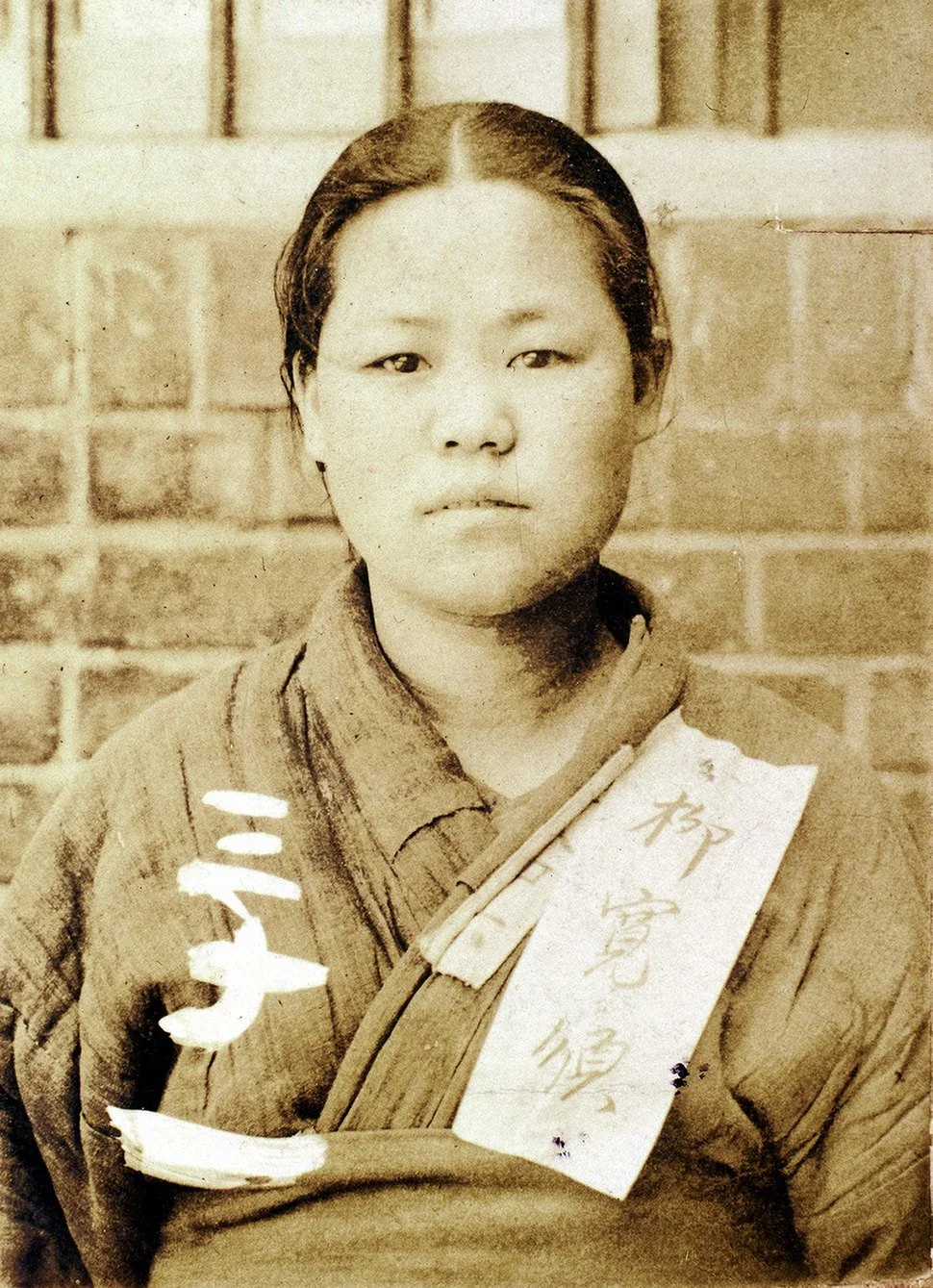
Ryu Gwan Sun, the photo was taken after she was arrested.
Yu Gwan-sun was born near Cheonan in South Chungcheong Province in 1902. She was the second daughter of five children. Her family were Protestants and she attended a Presbyterian primary school. She was noted to be very smart at an early age by American missionary Alice J. Hammond Sharp, who taught at the school. In 1915, at the age of 13, she began attending Ewha Hakdang, a secondary school at the time, and which is now known as Ewha Womans University in Seoul. She was given a scholarship that requires students to work as teachers after they graduate. This was a time when few women attended secondary schools or universities. She graduated middle school in 1918 and moved on to the high school level at Ewha Hakdang.
Yu was encouraged to join the literary society at Ewha Hakdang by her teacher, Kim Ransa, who was the advisor to the group. Kim Ransa was one of the intended delegates to the Paris Peace Conference and had gone to university with Prince Ui, Emperor Gojong’s son. Kim Ransa was already an independence activist and influenced Yu Gwan-sun as the March First Movement began to unfold. Yu Gwan-su attended several peaceful demonstrations in Seoul with other members of the Ewha Literary Society.
As mentioned above, thousands of people marched in Seoul and around the country on March 1, 1919. After these marches, organizers went to all schools, including Ewha Hakdang, and encouraged students to attend another protest on March 5 in Seoul at the South Palace Gate, Namdaemun. The students were detained at this protest, but released within a few days because of the intervention of foreign missionaries from their schools. Japan ordered all schools closed on March 10 and Yu Gwan-sun left Seoul and returned to her village.
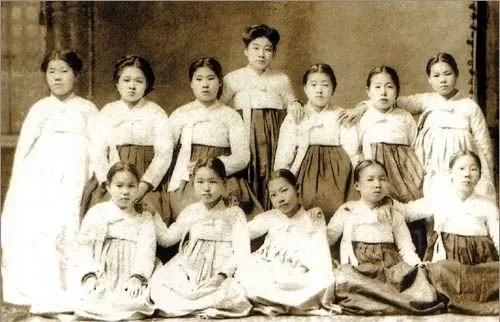
Yu Gwan Sun (in the second row, furthest right), with her classimates at Ewha Hakdang. Yu Gwansun’s cousin, Yu Yeh-do, is also in the second row second from the left.
In home in her village, Yu and her family went door to door to encourage people to join the independence movement. On April 1, 1919, people from surrounding villages joined with those from Jiryeong-ri (now Yongdu-ri) in a protest at Aunae Market at 9 am. Approximately 3,000 people joined together and chanted “대한독립만세” ("Long live Korean independence!". By 1 pm in the afternoon, the Japanese police had arrived, fired at the crowd killing 19 people, including Yu’s parents. Yu was arrested.
The Japanese police offered Yu a lighter sentence than older adults, if she would admit her guilt and help identify other collaborators. She refused and was tortured. The police burned her family home as well. She was transferred from Cheonan to Gongju and despite her efforts to receive a fair trial, she was sentenced to five years in prison. She continued being vocal during her imprisonment.
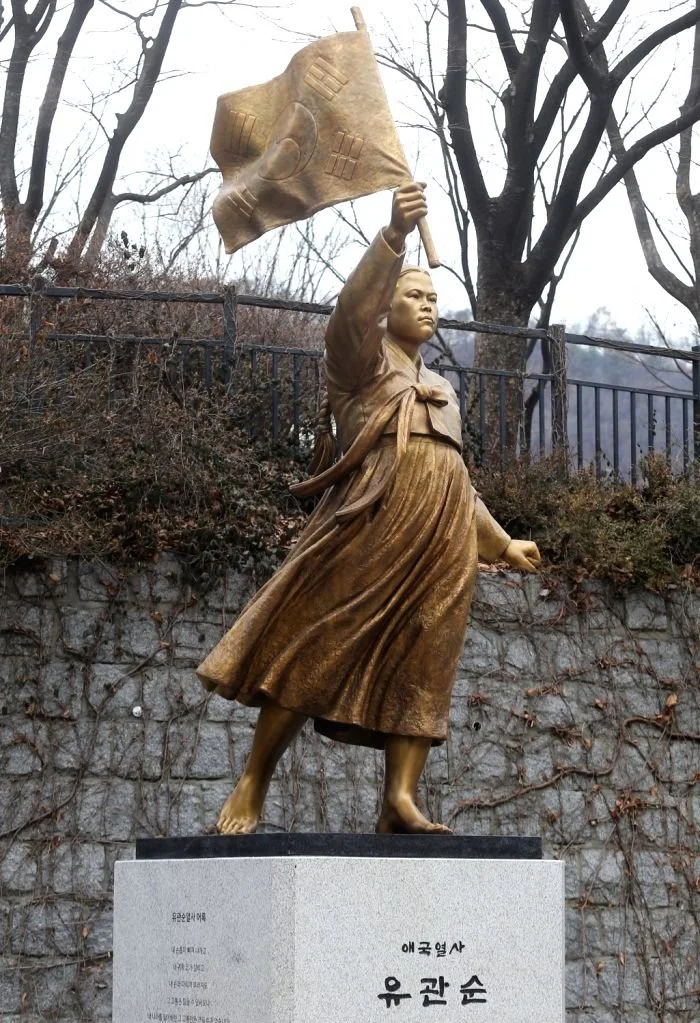
On March 1, 1920, Yu helped plan a large-scale protest with her fellow inmates to mark the anniversary of the March 1, 1919 protests. The Japanese police separated her from the general prison population and continued to torture and beat her. She died on September 28, 1920, as a result of the injuries she sustained during her imprisonment. She was 17 years old.
Initially, the Japanese officials refused to release her body, wanting to cover up the extent of her torture. After protests by the principals of Ewha Hakdang, they relented and release her body and she was buried on October 14, 1920. She was later moved to the Itaewon cemetery. However, during WWII, the site was destroyed to create a military base and her remains were lost.
While in prison, she wrote the following:
“Japan will fall. Even if my fingernails are torn out, my nose and ears are ripped apart, and my legs and arms are crushed, this physical pain does not compare to the pain of losing my nation. My only remorse is not being able to do more than dedicating my life to my country.”
Yu Gwan-sun has been called Korea’s Joan of Arc for her bravery, despite her young age. She was posthumously awarded the Order of Independence Merit in 1962.
Kim Maria (1891-1944)
“I married Korean independence,” said Kim Maria.
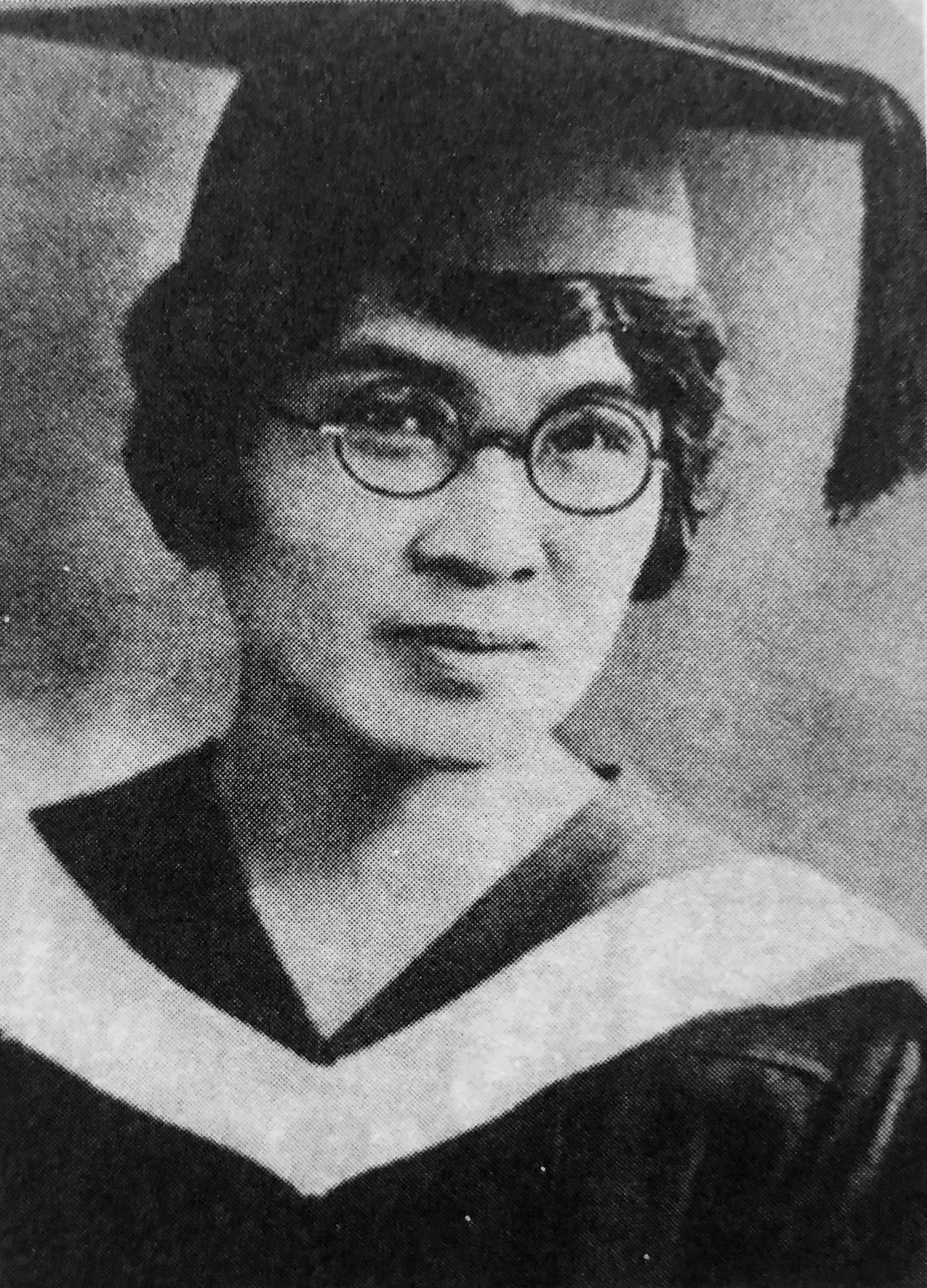
Kim Maria
Kim Maria was born Kim Jin-sang in 1891, the youngest of three sisters in a Presbyterian family. She was baptized Maria at a young age. Kim’s father passed away when she was just four years old. Her mother also passed away when Kim was just 14, leaving Kim an orphan. Her family had many prominent activists in it and an independence conscience surrounded her from her earliest days. Kim was recognized by family as being extremely smart. After graduating from missionary schools, she went to Hiroshima to study further.
When the February 8 Declaration of Independence was created in Tokyo in 1919, 600 students heard it read at the Tokyo Christian Youth Center (essentially the YMCA) and 11 independence activists had signed it. Kim wanted to know why there were no female signatures. Copies were translated and made available in Korean, Japanese and English and they were distributed to the press and to foreign embassies. Kim was in Tokyo on February 8th at the Youth Center when the declaration was read and was arrested by the police. She was released just eight hours later. She decided to leave Tokyo. Kim hid several copies of the declaration in the sash (obi) of her kimono and returned to Korea. The February 8 Declaration of Independence was the immediate prologue to the March First Movement.
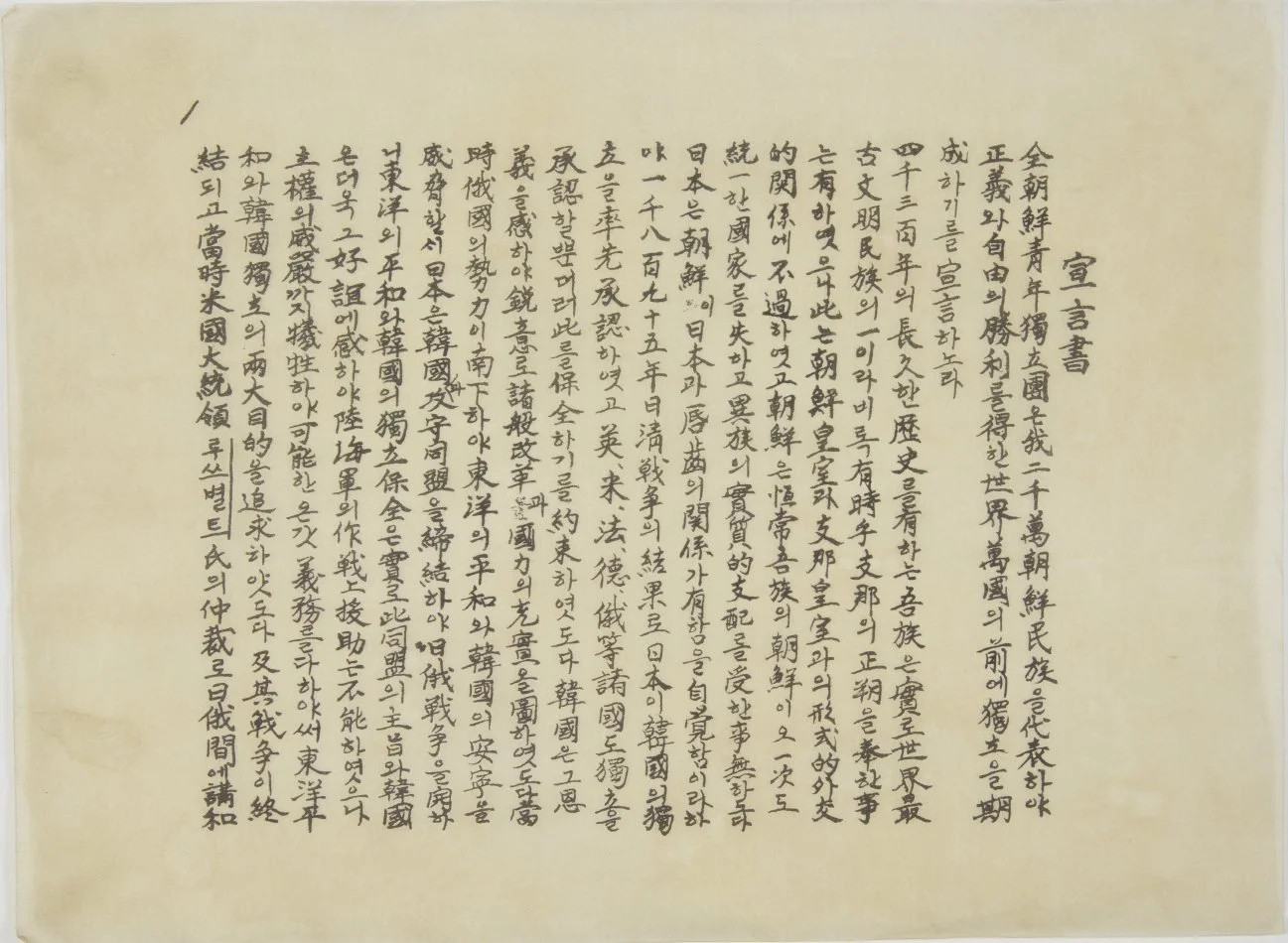
The February 8 Declaration of Independence
When the March First Movement began, Kim participated in the protests. Leading up to March 1, 1919, Kim was organizing female students and teachers and encouraging their participation the independence activities. She was arrested for these activities and tortured brutally. She suffered life-long health effects as a result.
When she was released from prison in August of 1919 and she helped pool several women’s groups together to form the Korean Patriotic Women’s Society. She was elected as president of the organization. The group published independence booklets, documented activities of the independence movement and the Japanese response and also served as nurses, helping Korean society in general. Over 1000 women of the Korean Patriotic Women’s Association were arrested, including Kim. She was sentenced to three years imprisonment for these activities.
While in prison she led prayer meetings that were so vibrant that it was reported that “the sound of praise echoed in the prison”. But she suffered from physical effects of torture and was eventually granted medical leave from prison. American missionaries helped her escape to Shanghai, where the Provisional Government of the Republic of Korea was seated. She was elected as a representative to the Hwanghae in Provisional Assembly and continued her studies at Nanjing’s Jinling College.
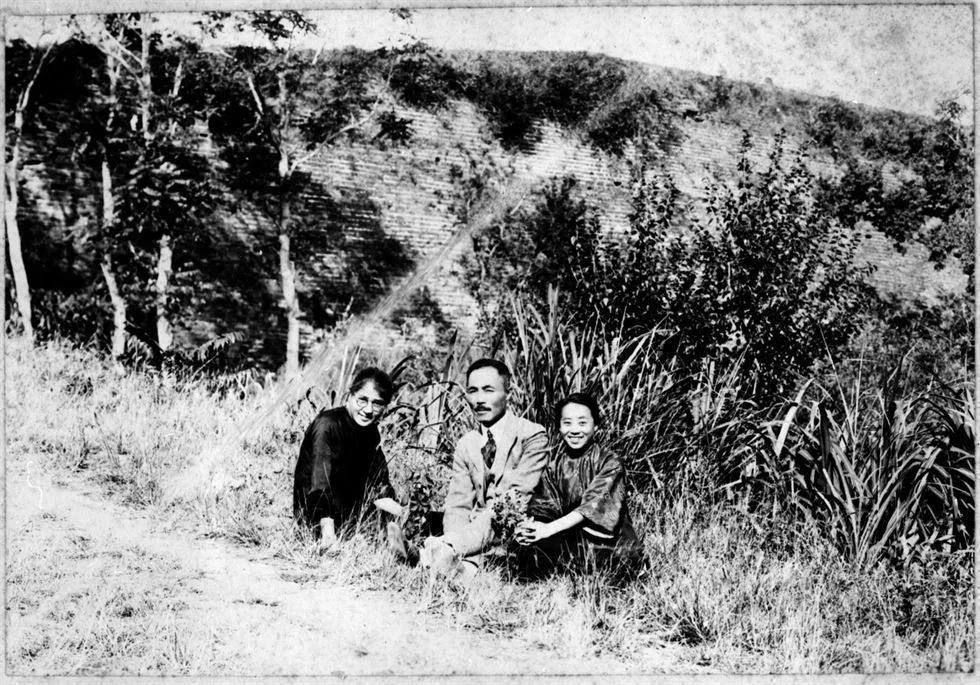
Kim Maria, left, with Ahn Chang-ho, center, and Cha Gyeong-seon / Courtesy of Independence Hall of Korea
In 1923, she went to the United States. She studied at both Park College and the University of Chicago, earning a master’s degree in sociology, which was very unusual for a woman at this point in history. She then went to New York to study theology. While there, she helped establish Keunhwahoe, a patriotic association for women, similar to the Korean Patriotic Women’s Association.
In 1933, she returned to Korea. She wasn’t prohibited from living in the area of Seoul or from teaching anything other than theology. She taught at Martha Wilson Seminary, but the injuries she suffered when she was tortured in prison caught up with her and she collapsed in her home. She died on March 13, 1944 in a Pyongyang hospital, only a year before Korea finally saw independence. She never married and had no living relatives. She was cremated and her ashes were scattered on the Taedong River.
She was posthumously awarded the Order of Independence Merit in 1968. You can visit Kim Maria Street in Jongno 5, Seoul. That is where you will find a statue of her, her old school and church and a small museum.
Kwon Ki Ok (1901-1988)
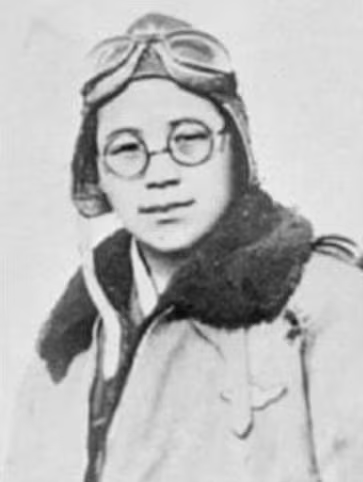
Kwon, while she was serving in China.
Kwon Ki Ok was one of the first female pilots of Korea and a founding member of the Republic of Korea Air Force.
Kwon Ki Ok was born 1901 in Pyeong-An Province, currently in North Korea, the second of five children. She was born to rather a poor family, and she was known as 갈례 (Gal-rye) during her childhood. It is thought that her childhood name perhaps sounded similar to a conjugation of the Korean verb 가다, which means to “go” because her parent wanted a boy rather than a girl.
She was inspired at age 16 to learn to fly after seeing an American acrobatic pilot in 1917. When the March First Movement erupted, on March 1, 1919, Kwon was 19 years old and a senior at Pyeongyang Sung-eui Girl’s School. She was arrested for participating in the March First Movement, and was imprisoned for three weeks. She secretly prepared the Korean flags which were used in the protest with other girls at her school.
After her release, she assisted in fundraising for the independence efforts of the Korean Patriotic Women's Association. Kwon continued on with her independence activist work as an undercover agent for Provisional Government of the Republic of Korea, and succeeded in cashing out a bond issued by the Provisional Government of Korea. She was arrested for her activities and lived under heavy surveillance by the Japanese colonial authorities. She was imprisoned for six months and tortured brutally.
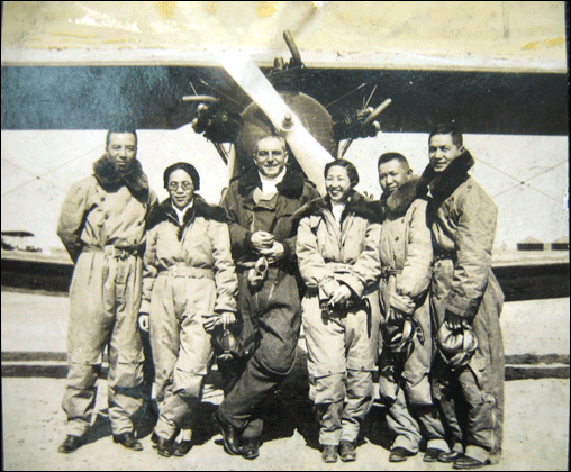
Kwon in China (second from left) with her instructors.
She also took part in a bombing of a police bureau of Pyeongannam province. She was given orders from the Provisional Government to keep the independence activists in Korea for this mission away from the surveillance of the Japanese colonial government. On August 3, 1920, the bombing was carried out, destroying a facade of the police bureau and killing two police officers.
When she was released in 1921, Kwon fled to China, where she continued to work for the independence of Korea. She learned both English and Chinese in Hongdo Girl’s school in Hangzhou, China, operated by American missionary. She graduated from the school in two years and she wanted to become a pilot. However, Kwon was turned down by two aviation schools because she was a woman. Kwon did not give up her aspirations, and the Provisional Government of the Republic of Korea (the independent government of Korea based in Shanghai and established after the March First Movement began and during occupation) gave her a recommendation, which opened the doors for her to be enrolled in the Republic of China Air Force School in Yunnan. She was the only female trained in her class and her class was the first ever of the Yunnan aviation school.
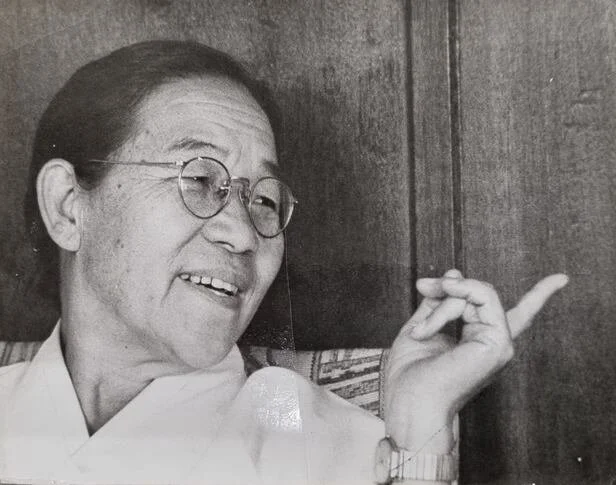
Kwon in 1965, interviewing with Chosun Ilbo about how she learned how to fly to carry out Korea’s missions for independence.
After graduating from the aviation school, Kwon’s life was in danger. The Japanese police sent a hitman to kill Kwon in China, but she was able to safely flee due to the Koreans who were protecting her. Kwon was assigned to be stationed in Beijing and relocated to Nanjing after finishing her training. She was unable to join a Korean pilot unit because it was impossible for the Provisional Government to afford an airplane for her, despite the Provisional Government’s efforts to establish an aviation school under the leadership of Dosan Ahn Chang Ho. You can refer to January’s newsletter to learn more about the efforts to create aviation schools during Japanese occupation. Kwon inevitably joined the Chinese pilot unit and she became a lieutenant colonel by 1940. During the Battle of Shanghai in 1932, Kwon’s unit carried out espionage activities and her name appears as “a person of interest among overseas Koreans” in a record from Japanese police. Kwon was arrested again in 1936.
In 1943, she laid the plan for an aviation unit for the Korean Liberation Army, restlessly working for Korea’s independence missions. After Korea’s liberation in 1945, Kwon returned to Korea and became a committee member of Ministry of Defense to build the Republic of Korea Air Force. She was often referred to as the Auntie of the Air Force. Kwon also served in the Korean War and finally retired to her private life. She served as vice-president of the Korea-China Cultural Association from 1966 until 1975. Kwon was decorated with presidential commendation in 1968 and the Order of Merit for National Foundation in 1977. She died on April 19, 1988 and was buried in the National Cemetery in Seoul.
Other Women in the March First Movement
There were so many important women who were key players in the March First Movement. The women we have highlighted above are well known both throughout Korea and around the world. Women’s stories are so often overshadowed by men’s stories. What we want you to know is that women had key roles in the March First Movement and the independence fights for Korea. You may need to look harder for their stories, but they need to be known. We want to encourage you to keep reading, keep learning. Below we briefly highlight a number of other women who were prominent in the March First Movement and beyond.
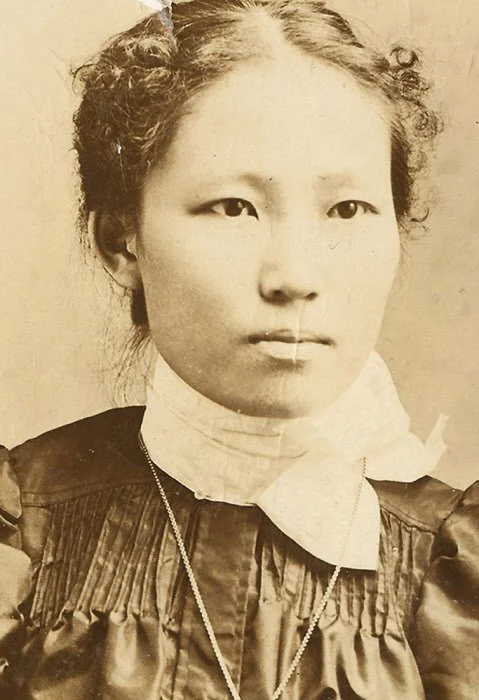
Kim Ransa (1872-1919)
Mentioned above as the educator who encouraged Yu Gwan-sun’s independence activities, Kim Ransa, broke ground as an independent thinking woman as early as 1894, when married women were not allowed to study, but she persuaded Ewha Haktang to admit her. She came to the United States and became the first Korean woman to obtain a bachelor’s degree in the US. She returned to teach in Korea. She fell ill when trying to attend the Paris Peace Conference and it is rumored that she was poisoned because someone saw her body turn black. She is known as a woman who empowered other women through education.
She was posthumously awarded the Order of Merit for National Foundation in 1955.
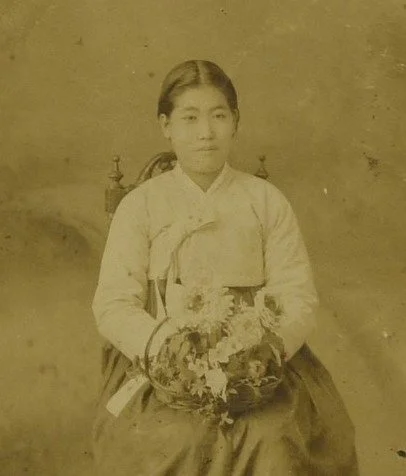
Yu Yeh-do, (1896-1989)
Lesser known is Yu Gwan-sun’s cousin, Yu Yeh-Do, who co-smuggled a copy of Korea’s Declaration of Independence to their hometown. According to Yu Yeh-Do’s great grandson, Yu spread word of the Movement from village to village and even helped orchestrate the Aunae Marketplace demonstration that Yu Gwan-sun helped orchestrate. Unlike her cousin, Yu Yeh-Do was able to escape prison, but went on to live in hiding for over a decade. Her relatives arranged her marriage in hopes that the Japanese would not go searching for a married woman.
Yu did not publicly speak about her role in the Movement until 1979 out of guilt, feeling responsible for the deaths of her cousin, aunt and uncle. It was only when she was about to lose her house due to debt that she spoke to a reporter about her story, leading then President Park Chung-hee to personally pay off her bank loans.
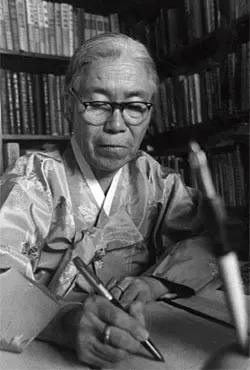
Choi Eun-hui - (1904-1984)
Choi Eun-hui was the first female journalist in Korea. She took place in the March First Movement. She noted in her memoir that there was a secret group of 79 students at Gyeongseong Girls' High School, where she was a student, participating in independence activities. She was arrested for her March First Movement participation. After her release, she continued her anti-Japan activities and was arrested again and sentenced to six months in prison and two years of probation. In 1924 she became the first female reporter for Chosun Ilbo, while she was attending Japan Women’s University in Tokyo. She helped form the Korean Patriotic Women’s Society in Japan. She continued to write and published books on Korean history after Korea’s liberation. She funded female journalists and Chosun Ilbo created an annual journalism award in her name after her death.
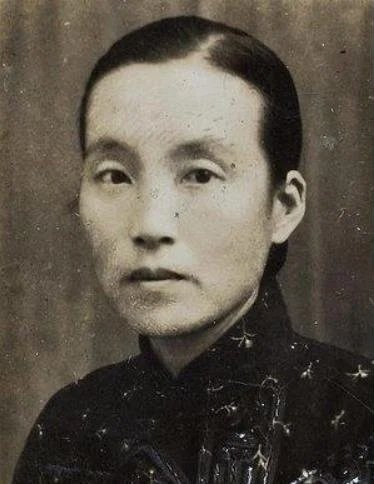
Jung Jung-hwa (1900–1991)
Jung Jung-hwa was the wife of Kim Ui-han, a prominent independent activist in the Provisional Government and daughter-in-law of Kim Ka-jin, another prominent activist. She spent her years in China to help indepdence leaders working for the Korean Provisional Government. She made sure that the indepdence activists, serving the Provisional government, were well-fed, so that they can focus on their work. The Provisional Government in Shanghai was struggling with its financials at all times, which led to lack of daily resources and food for the activists.
Further, she was a fundraiser for the Provisional Government and crossed between the border between China and Korea many times carrying funds. Jung founded the Korea Revolutionary Female Union and the Korean Patriotic Women's Association under the slogan, "Let us build a new democratic republic to realize equality.” She returned to Korea in 1946.
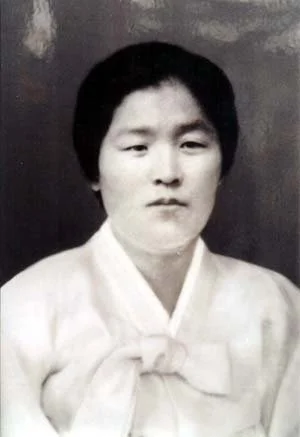
Yoon Hyung-sook (1900-1950)
Yoon Hyung-sook was right at the front of the March First Movement protests. She was attending Gwangju Speer Girls’ High School. Protests continued after March 1, 1919. On March 10, 1919, about 1000 protesters gathered for a demonstration. Japanese police arrived and told the crowd to disperse and began firing blanks at the crowd to frighten them. Yoon continued to march and a Japanese soldier struck her left arm with a military sword. Yoon fell, but got up again, picked up a Korean flag and continued to shout “만세!”. She lost the sight in her right eye at the same time. She was arrested and sentenced to four months in prison. She taught children at the military hospital where she was sent for treatment and continued teaching and protesting throughout Japanese occupation. During the Korean War, a retreating army executed her, along with Reverend Son Yang Won, She was 50 years old.
She was posthumously awarded the Order of Merit for National Foundation in 2004.
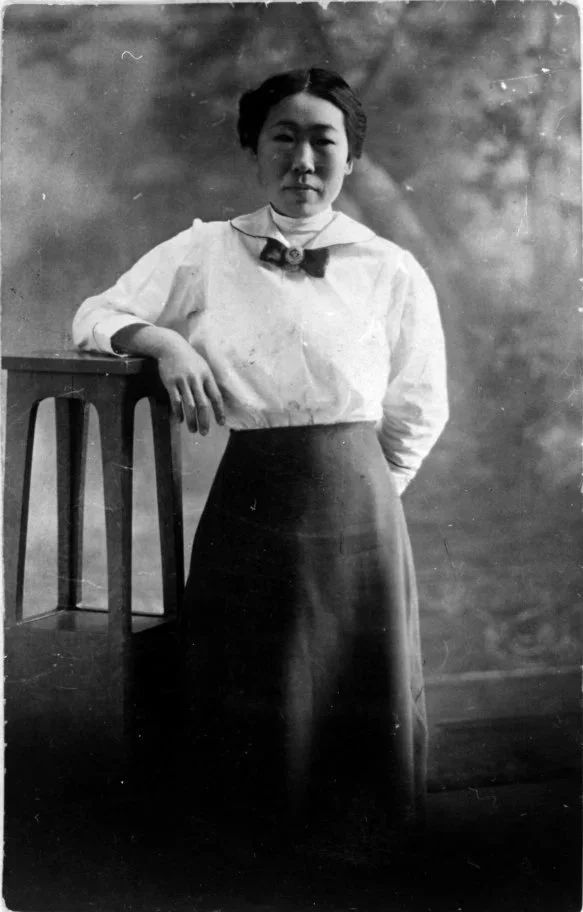
Yi Hye-ryon (1884-1969)
Yi Hye-ryon, known also as Helen Ahn, was Ahn Chang Ho’s (Dosan’s) wife. She spent the majority of her life in California, only visiting Korea once in that time. However, her life-long dedication to the work of Ahn Chang Ho and Korea’s independence movement cannot be understated. It can be argued that without her fervent support, Dosan’s work could not have been accomplished. She tirelessly worked to collect funds to send back to Korea for the independence movement. Known for her speeches and leadership in various demonstrations and organizations, she inspired many to join the independence movement. She was a leader of the Korean Patriotic Women’s Association in the United States. After Dosan’s death, she continued to everything she could to collect money for the movement.
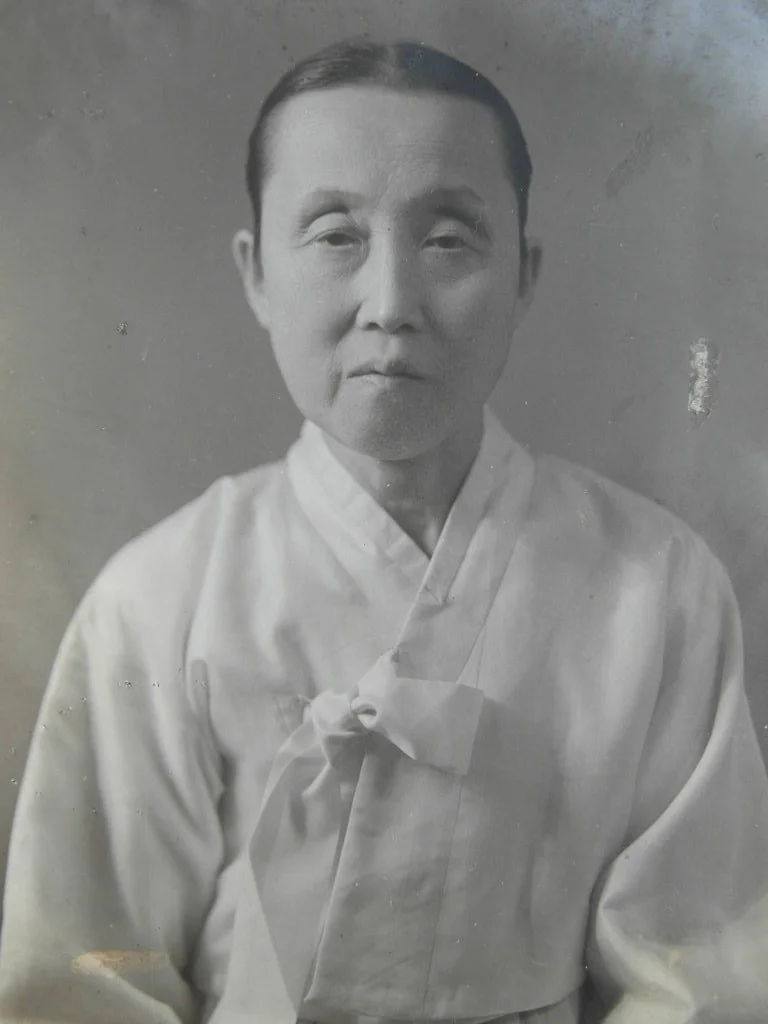
Lee Eun-sook (1889-1979)
Lee Eun-sook was an independence activist and the wife of activist Lee Hoe-yeong. Hoe-yeong was a wealthy landowner, but all of his wealth went to fund independence activities. Lee Eun-sook led her family to Seogando, with Hoe-yeong, and later to Beijing and Seoul. Hoe-yeong was martyred in 1932, but Eun-sook continued her independence activities. She carefully documented the 'Seogando City Chronicle', a handwritten account of independence activities and the only one written by a woman. It details daily life during occupation.
She was posthumously awarded the Order of Merit for National Foundation in 2018.
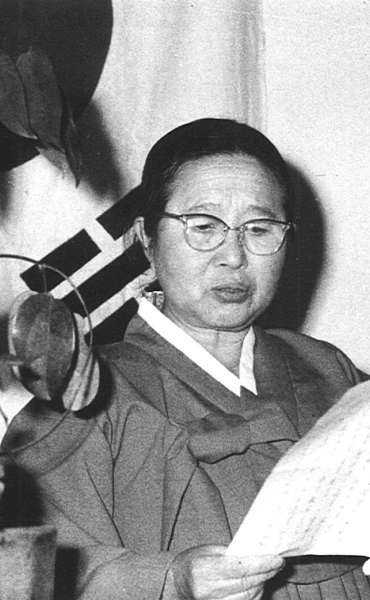
Choi Jung-sook (1902-1977)
Choi Jung-sook was a member of the secret group of 79 students at Gyeongseong Girls' High School that Choi Eun-hui was also a part of. She was arrested for her participation in the March First Movement and spent eight months in prison, where she was tortured and beaten. When she was released, she began a women’s literary class in Jeju and later expanded education to any kind of student for free. She taught students songs in Korean and was arrested and taken to Japan and imprisoned. She was quoted as saying, “How can it be a sin to teach our students to sing in our language in our country?” She became a doctor and continued to teach and practice medicine, helping Koreans conscripted to work who had no access to medical care. She became the first female superintendent of Jeju Island.
References
Yu Gwan-sun:
https://www.hallyutrail.com/blog/yu-gwan-sun-south-korea-independence
https://libertyinnorthkorea.org/blog/womens-history-month-korean-freedom-fighter-yu-gwan-sun
https://www.umc.org/en/content/unsung-heroes-of-methodism-yu-gwan-sun-and-korean-methodism
https://peacemaker.prkorea.com/yugwansun/
Includes audio:
https://broadsyoushouldknow.com/yu-gwan-sun/
https://nextshark.com/march-1st-103rd-anniversary-of-the-korean-independence
Kwon Ki OK
https://peacemaker.prkorea.com/kwonkiok/
https://centennialofwomenpilots.com/kwon-ki-ok-korean/
https://sanfrancisco1920.com/the-korean-womens-patriotic-corps/
https://www.womensactivism.nyc/stories/5546
https://shells-tales-sails.blogspot.com/2016/04/k-is-kwon-ki-ok-pioneer-women-in.html
https://www.chosun.com/culture-life/culture_general/2022/04/09/S2WRRXSLXNAWVPNBG227Z7BDWM/
https://en.wikipedia.org/wiki/Kwon_Ki-ok
https://m.usjournal.kr/news/newsview.php?ncode=1065580055653179
Kim Maria
https://en.wikipedia.org/wiki/Maria_Kim
https://www.koreatimes.co.kr/lifestyle/koreanheritage/20190303/woman-of-independence-movements
https://www.asiae.co.kr/en/article/2024092410512804955
https://www.thekhepadigest.com/post/marching-for-independence-maria-kim
https://press.kookmin.ac.kr/news/articleView.html?idxno=102149
General
https://www.koreatimes.co.kr/lifestyle/koreanheritage/20190303/woman-of-independence-movements
https://journal.kci.go.kr/kips/archive/articleView?artiId=ART002524708
https://en.wikipedia.org/wiki/Category:Korean_women_independence_activists
Video
How schoolgirls became independence fighters in 1919 | Korea’s March 1st Independence Movement
https://www.youtube.com/watch?v=_yP-qgxp3vM